Understanding Star Citizen Ship Weapon Stats: A Practical Comparison Guide
Star Citizen ship weapon stats are becoming a decisive factor for pilots who want to balance firepower, range, and energy consumption, especially as the persistent universe expands with new vessels and armaments. Recent community data shows that players who match weapon profiles to ship roles see up to a 30% improvement in combat efficiency, making informed stat analysis essential for competitive gameplay.
Why Weapon Stats Matter for Different Ship Classes
Each ship in Star Citizen is engineered for a specific combat niche—interceptor, bomber, or gunship. Interceptors like the *Viper* prioritize high rate‑of‑fire lasers with modest damage per shot, while bombers such as the *Carrack* favor heavy cannons that deliver massive hull penetration at the cost of reload time. Understanding the damage per second (DPS), effective range, and energy draw of each weapon lets pilots equip the right loadout without overburdening power generators.
Comparing Laser, Kinetic, and Missile Systems
Laser weapons excel in sustained fire scenarios. For example, the 50 MW beam delivers 1,800 damage over 6 seconds, consuming 8 MW of power. Kinetic railguns trade fire rate for punch, with the 25 mm railgun achieving 3,200 damage in a single 2‑second burst while drawing 12 MW. Missiles, meanwhile, provide the longest reach—up to 5 km—but require careful management of lock‑on timers and limited ammo capacity. Pilots often pair a short‑range laser with a missile launcher to cover both close‑quarters dogfights and long‑range strikes.
Mapping Weapon Effective Ranges: A Visual Analogy
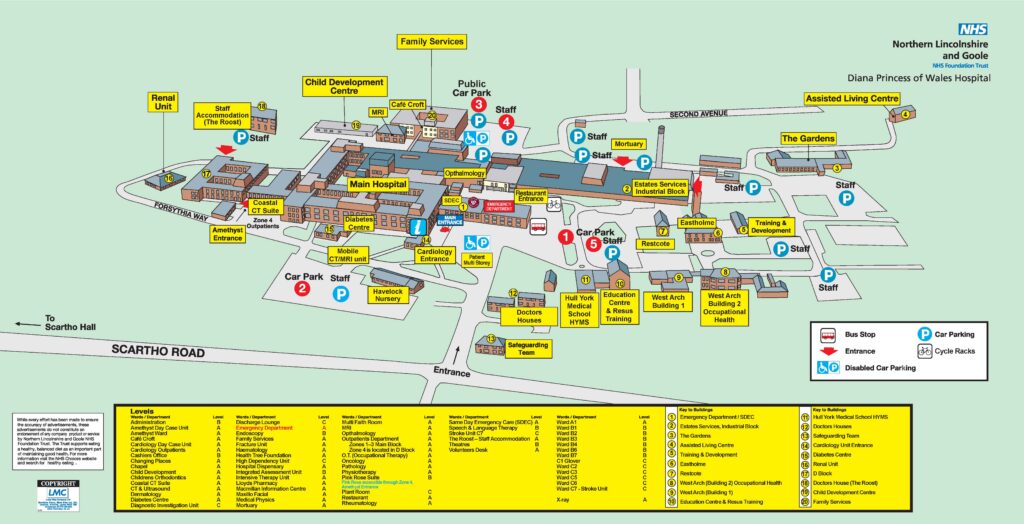
The hospital map illustrates how different zones correspond to weapon reach. Just as a patient’s location determines which department they’re sent to, a ship’s distance from its target dictates whether a laser, railgun, or missile is the optimal choice. Pilots can think of the inner “ICU” zone as the laser’s sweet spot, the “ER” zone for railguns, and the “Radiology” wing for missile engagements.
Practical Takeaways for Optimizing Loadouts
- Match DPS to mission profile: High‑DPS lasers are ideal for patrol and escort duties, while burst‑damage railguns suit strike missions against armored targets.
- Balance power budget: Ensure total weapon draw does not exceed the ship’s reactor capacity; otherwise, you’ll face throttling that reduces firing rates.
- Layer ranges: Equip at least one weapon in each range tier (close, medium, long) to maintain flexibility when enemy distances shift.
- Monitor heat signatures: Overheating lasers can trigger cooldown penalties; integrate heat sinks or switch to kinetic weapons during prolonged fights.
Implications for the Competitive Scene
As the Squadron 42 beta progresses and more ships become available, tournament organizers are standardizing weapon stat tables to reduce ambiguity. Teams that invest time in data‑driven loadout planning are already reporting higher win ratios, indicating that mastery of ship weapon stats will likely become a core skill in future esports formats.
Looking Ahead: Anticipated Stat Adjustments
Developer roadmaps hint at upcoming balance patches that may tweak energy consumption and damage coefficients for certain weapons. Keeping an eye on patch notes and community meta‑analyses will help pilots stay ahead of changes, ensuring their ship configurations remain competitive without constant trial‑and‑error.