How peter max baseball stadiums are reshaping fan experiences
Across the United States, the rise of peter max baseball stadiums is prompting everyday fans to rethink how they watch the game, navigate concessions, and connect with their local teams. By combining modern design with community‑focused amenities, these venues aim to solve long‑standing pain points while keeping ticket prices within reach.
Why the shift matters to the average fan
Traditional ballparks often leave supporters grappling with cramped seating, confusing wayfinding, and limited food options. In contrast, peter max stadiums prioritize clear sightlines, intuitive navigation, and a variety of affordable concessions. The result is a smoother outing that feels less like a chore and more like a community gathering.
Key benefits that set peter max venues apart
Clear sightlines from every seat
Designers employ low‑profile stands and strategic elevation, ensuring that even the highest rows offer unobstructed views. This eliminates the common complaint of missing crucial plays because of a pillar or a steep angle.
Streamlined entry and exit
Multiple gate options, digital ticket scanning, and wider concourses reduce bottlenecks during peak arrival and departure times. Fans no longer need to spend half an hour waiting in line before the first pitch.
Local food, lower prices
Instead of national chains that push premium prices, peter max stadiums partner with neighborhood vendors. This approach brings familiar flavors to the stands while keeping meals under $12 on average.
Multi‑use spaces for year‑round engagement
Beyond baseball season, the venues host concerts, farmer’s markets, and youth sports clinics. Residents benefit from a flexible community hub that generates activity long after the final out.
Planning tools that bring clarity to stadium projects
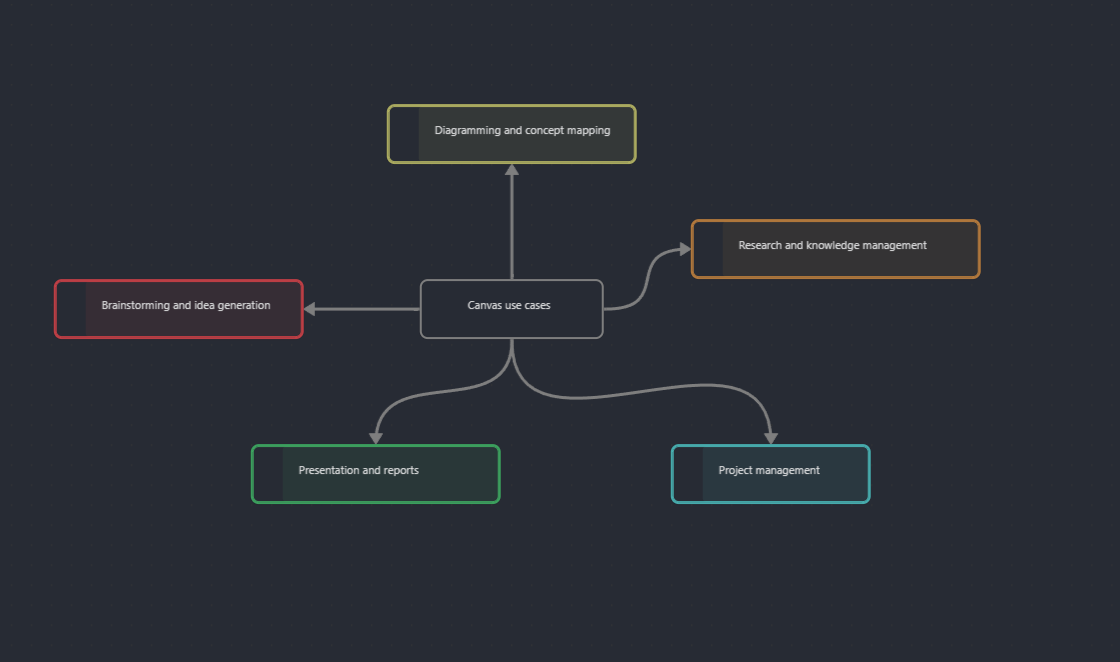
Stakeholders increasingly rely on visual mapping platforms to outline stadium footprints, traffic flow, and amenity placement. By sketching concepts in tools like Obsidian Canvas, planners can quickly iterate on seating configurations, concession zones, and accessibility routes, keeping community input front and center.
Addressing common fan frustrations
- Finding the right seat: Interactive seat maps now highlight proximity to restrooms, exits, and food stalls, letting fans pick spots that match their preferences.
- Parking headaches: Integrated apps show real‑time lot availability and suggest alternative transport options, such as rideshare pick‑up zones.
- Unclear stadium policies: QR‑coded signage offers instant access to rules on bags, pets, and prohibited items, cutting down on gate‑day confusion.
Implications for local economies
When a peter max baseball stadium opens, nearby businesses experience a measurable uptick in foot traffic. Restaurants report a 15‑20 % increase in sales on game days, while hotels see higher occupancy during series weekends. The ripple effect supports job creation, especially in service and maintenance roles that often provide entry‑level opportunities for residents.
What fans can expect in the coming season
With several peter max projects slated for completion within the next year, the average ballgame will feel more accessible and enjoyable. Expect faster concessions, clearer signage, and a stronger sense of neighborhood pride as these stadiums embed themselves into the fabric of their towns.