Understanding Name Art Graffiti Online: Tools, Trends, and Tips for the Experienced Hobbyist
Digital name art graffiti—stylized signatures rendered in spray‑paint aesthetics—has migrated from city walls to browsers, giving artists a global canvas without the need for a ladder. Platforms now let seasoned hobbyists experiment with vector brushes, layered textures, and community tagging, while retaining the gritty spirit of street culture.
From Street Walls to Screen Pixels
The core concept mirrors traditional graffiti: a distinctive, often flourished signature that identifies the creator. Online, the “name” becomes a vector or raster file that can be shared, printed, or animated. Unlike physical tags, digital versions can be scaled without loss, archived for portfolios, and combined with motion graphics for social media reels. This shift expands the audience from passersby to worldwide followers, turning a local tag into a personal brand.
Platforms, Software, and Workflow Essentials
Several services dominate the niche. Graffiti‑specific sites such as Graffiti Creator and Tagx provide pre‑set brush packs that mimic aerosol spray and stencils. Mainstream design tools—Adobe Illustrator, Affinity Designer, and the free Inkscape—offer precision control for intricate lettering. A typical workflow for an experienced hobbyist includes:
- Sketching a rough silhouette in a raster app (Procreate or Photoshop).
- Tracing the sketch with Bézier curves to preserve smooth flow.
- Applying custom brush dynamics to simulate drips, fades, and overspray.
- Exporting layered SVG for scalability or PNG for quick uploads.
Real‑World Inspiration Still Matters
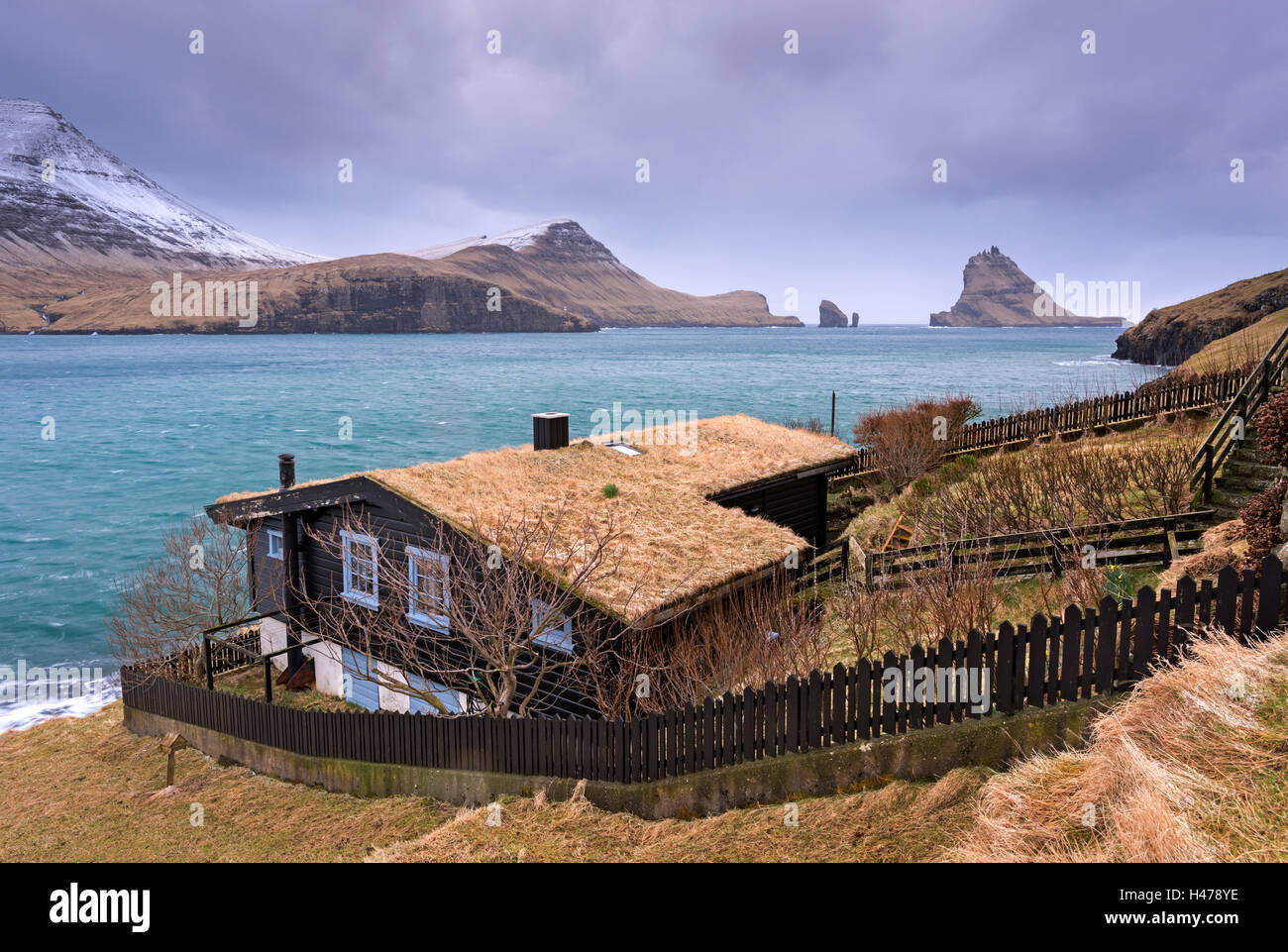
Digital tags often borrow texture from concrete, brick, or weathered wood. A vivid example is the grass‑roofed house in the Faroe Islands, whose organic thatch juxtaposes stark geometry—an aesthetic tension that artists can echo in their name art graffiti online.
Legal and Ethical Guidelines
Even when the canvas is virtual, copyright and trademark rules apply. Artists should avoid reproducing protected logos or copyrighted fonts without permission. Many platforms enforce a “no hate speech” policy, so content must stay within community standards. For hobbyists who later monetize their work—selling prints or NFTs—clear licensing agreements protect both creator and buyer.
Where the Medium Is Heading
Emerging trends point toward augmented reality (AR) graffiti, where a name tag can be projected onto physical walls via smartphone lenses. Interactive APIs also let users animate a signature in response to music beats, creating a hybrid of visual art and performance. As bandwidth improves, file sizes no longer curb high‑resolution detail, meaning the next generation of name art graffiti online may rival traditional murals in complexity while remaining instantly shareable.
Quick Checklist for the Seasoned Graffiti Enthusiast
- Choose a vector‑friendly platform to retain crisp lines.
- Incorporate real‑world textures (e.g., weathered surfaces) for authenticity.
- Verify that fonts and motifs are original or properly licensed.
- Export both scalable (SVG) and web‑ready (PNG) formats.
- Experiment with AR tools to future‑proof your style.