Involvement Definition in Business: How to Engage Employees and Customers
Understanding involvement in business means recognizing that engagement—whether with employees or customers—isn’t just about activity; it’s about meaningful connection. Involvement definition in business goes beyond transactions; it’s about creating experiences that resonate, foster loyalty, and drive long-term success. Whether you’re a manager, marketer, or entrepreneur, knowing how to define and measure involvement can transform your approach to teamwork and customer relations.
Why Involvement Matters in Business
Involvement in business isn’t optional—it’s a competitive advantage. Engaged employees are more productive, less likely to leave, and more innovative. Similarly, involved customers spend more, advocate for your brand, and help you stand out in a crowded market. But involvement isn’t just about enthusiasm; it’s about relevance. People engage when they feel heard, valued, and part of something bigger.
How to Define Involvement in Business
Defining involvement starts with understanding the difference between passive and active engagement. Passive involvement might mean a customer using your product occasionally, while active involvement could mean they’re part of your community, sharing feedback, or even co-creating solutions. For employees, involvement could mean having a say in decisions, receiving recognition, or feeling connected to the company’s mission.
Measuring Involvement: Beyond Surveys
Traditional surveys can tell you if people are involved, but they don’t explain why. To truly measure involvement, look for behavioral indicators: how often do employees volunteer for projects? Do customers share your content? Are they willing to pay a premium for personalized experiences? These actions reveal deeper engagement than a single score ever could.
Practical Steps to Boost Involvement
Creating involvement isn’t about grand gestures—it’s about small, consistent actions. For employees, this could mean regular check-ins, recognition programs, or opportunities to contribute to company goals. For customers, it might involve interactive content, loyalty rewards, or even co-designing products. The key is making people feel like their input matters.
Common Pitfalls to Avoid
Even well-intentioned efforts can backfire. For example, forcing involvement (like mandatory team-building events) can lead to resentment. Similarly, ignoring negative feedback to maintain a "perfect" image can erode trust. The best approach is to listen, adapt, and show genuine interest in people’s perspectives.
Final Thoughts
Involvement in business isn’t a one-size-fits-all solution, but it’s a powerful tool when used thoughtfully. Whether you’re building a team or a customer base, the goal is the same: create experiences that make people feel valued and connected. Start small, measure what matters, and keep refining until involvement becomes a natural part of your business culture.
2022 Ultimate Swagbucks App Review (After 20-Days-In) - App-Tipps.com
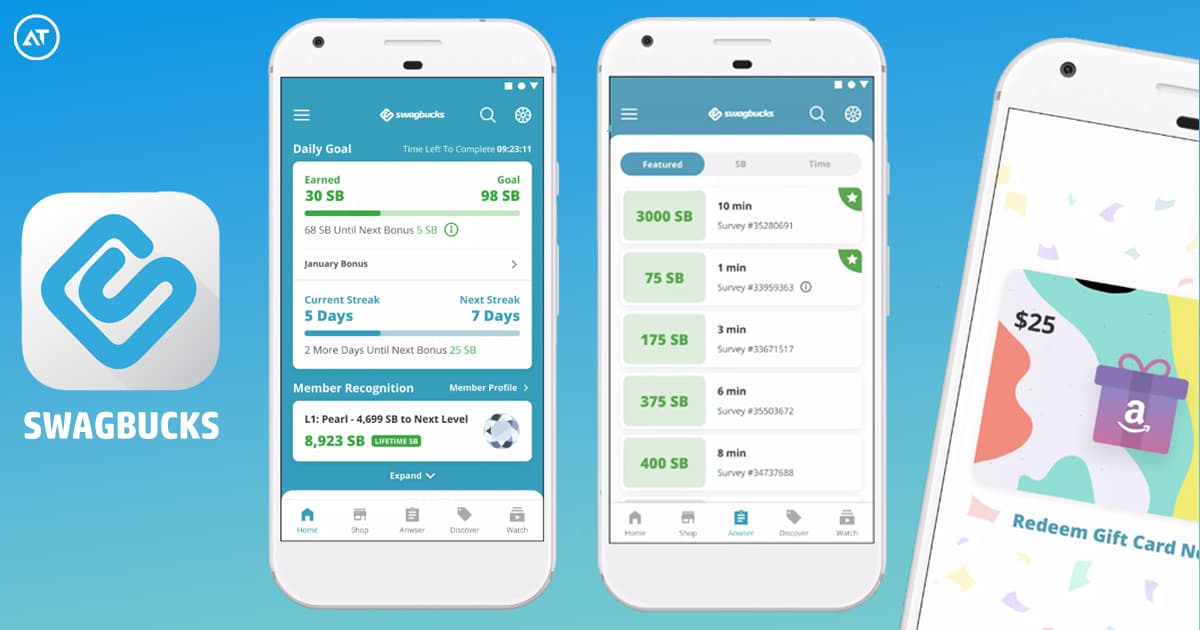
2022 Ultimate Swagbucks App Review (After 20-Days-In) - App-Tipps.com