Dr. Brennan Lynchburg VA: Community Health Focus and Practical Guidance for Families
Dr. Brennan, a licensed physician operating out of Lynchburg, VA, has become a recognizable face in local primary‑care circles, offering a blend of clinical expertise and community‑oriented health education. While not a household name nationwide, his practice has drawn attention for integrating everyday learning tools—such as a forest-themed rebus worksheet—into pediatric counseling, helping parents reinforce health concepts at home.
What Sets Dr. Brennan’s Approach Apart?
Patients and their families often ask why Dr. Brennan’s office feels different from a typical clinic. Three factors consistently surface:
- Preventive emphasis: Routine visits double as mini‑workshops on nutrition, activity, and mental well‑being.
- Educational resources: Dr. Brennan supplies printable worksheets, including a visual rebus that encourages children to identify forest animals while discussing safe outdoor play.
- Local collaboration: Partnerships with Lynchburg schools and community centers ensure health messages reach beyond the exam room.
How Does the Rebus Worksheet Fit Into Pediatric Care?
During a recent well‑child check, Dr. Brennan handed parents a colorful worksheet titled “Rebus o lesie” (Rebus about the forest). The activity asks kids to decode animal silhouettes hidden among trees, prompting conversation about wildlife safety, proper footwear, and the benefits of fresh air.
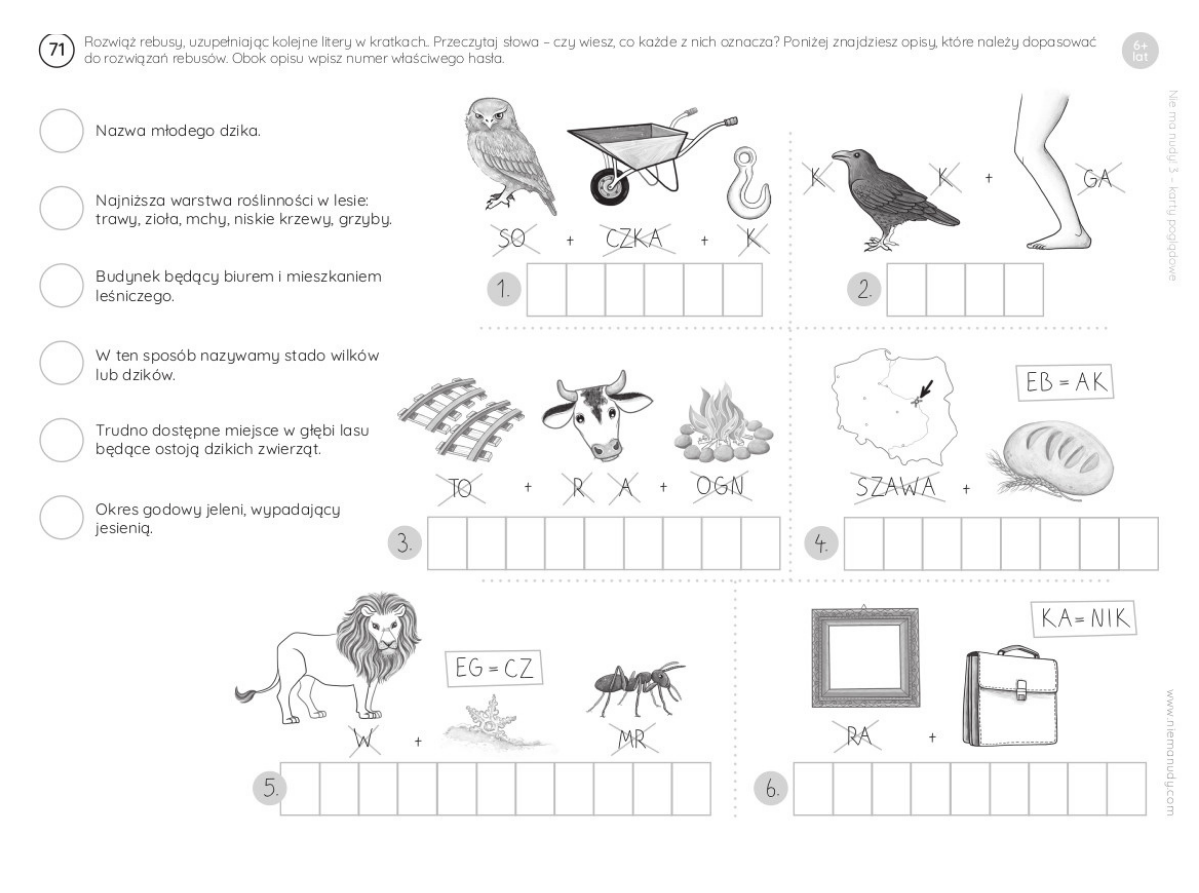
This hands‑on tool serves multiple purposes: it reinforces fine‑motor skills, supports literacy development, and subtly introduces health‑related topics without a lecture‑style approach. Parents report that children who engage with the rebus are more likely to talk about what they learned, making follow‑up discussions easier.
What Are the Trade‑offs of Dr. Brennan’s Model?
No healthcare model is without limitations. Critics point out that blending education with clinical time can stretch appointment slots, potentially leading to longer wait times for other patients. Additionally, while the rebus material is free, families without reliable internet access may miss out on downloadable resources.
Dr. Brennan acknowledges these challenges, noting that his office has instituted a “quick‑visit” track for urgent concerns to balance the extended educational sessions. He also collaborates with the Lynchburg Public Library to host printed copies of the worksheets, ensuring broader accessibility.
Realistic Expectations for New Patients
Prospective families should anticipate a thorough intake process—often a 30‑minute slot for the first visit—that includes a review of the child’s developmental milestones and a brief walk‑through of available educational tools. Follow‑up appointments typically run shorter, but the practice encourages parents to bring any questions about the worksheets or health topics discussed.
What Do Community Members Say About Dr. Brennan?
Feedback from local parents underscores the value of a physician who “talks to the whole family, not just the patient.” One mother noted that her son, after completing the forest rebus, asked to wear his rain boots on a real hike, prompting a conversation about foot care that might not have occurred otherwise. Another caregiver highlighted the convenience of having printable health resources available at the clinic.
Balancing Benefits With Practical Limits
While Dr. Brennan’s integration of educational content can enrich the pediatric experience, families should weigh the convenience of a single‑provider model against the potential for slightly longer appointment windows. The practice’s commitment to community outreach, however, often offsets these modest inconveniences by fostering a supportive environment for health literacy.
What’s Next for Dr. Brennan’s Practice?
Looking ahead, Dr. Brennan plans to expand his educational suite with additional themed worksheets—ranging from seasonal safety to nutrition puzzles—aimed at reinforcing health habits across age groups. By partnering with local schools, he hopes to embed these tools directly into curricula, turning everyday lessons into opportunities for preventive care.
For families in Lynchburg, VA, Dr. Brennan offers a pragmatic blend of clinical care and accessible education, positioning his practice as a modest yet meaningful option for those seeking a holistic approach to health.