Alpine Zone Adaptations Examples: Survival Strategies in Extreme Environments
The alpine biome is defined by its harsh constraints: low oxygen levels, extreme temperature fluctuations, and intense solar radiation. Organisms inhabiting this zone cannot rely on standard biological processes found at lower elevations. Instead, they exhibit specific morphological and physiological traits that allow them to persist where others cannot. These alpine zone adaptations examples demonstrate a shift toward efficiency and protection rather than speed or abundance.
Structural Armor and Thermal Regulation
Vegetation in the alpine zone faces the dual threat of desiccation and frost damage. To counter this, many species have evolved into cushion plants. These low-growing, dense formations trap heat, reduce wind exposure, and maintain a higher internal temperature than the surrounding air. Additionally, waxy cuticles and dense hairs on leaves serve as insulation, reflecting excess UV radiation while minimizing water loss. This structural armor is essential for surviving the short growing season, allowing plants to maximize photosynthesis during the limited window when temperatures rise above freezing. Perennial root systems are also common, storing energy over years to survive winters that can last up to ten months.
Physiological Responses to Hypoxia
Animal life in these regions must cope with significant atmospheric pressure drops. Mammals like the mountain goat or yak possess larger hearts and lungs relative to their body size, facilitating oxygen transport. Their blood often contains a higher concentration of hemoglobin to bind oxygen more effectively. Insects and smaller ectotherms utilize darker coloration to absorb solar radiation quickly, raising their body temperature to flight-ready levels. Beyond internal physiology, behavioral adaptations play a critical role. Many alpine animals are crepuscular or active during the warmest parts of the day to conserve energy, utilizing microclimates like south-facing rock crevices to shelter from the wind.
The Cost of Specialization
While these adaptations are effective for survival, they limit flexibility. Alpine species are often slow-growing and slow to reproduce. A single disturbance—whether a late-season frost or human encroachment—can set population recovery back decades. The specialization that allows them to thrive in isolation makes them highly susceptible to rapid environmental changes. Understanding these trade-offs is crucial for realistic conservation expectations. It highlights that resilience in the alpine zone is a delicate balance between aggressive adaptation and inherent fragility, where survival is a constant negotiation with the elements.
Isle Of Jura The Loch Single Malt Scotch Whisky
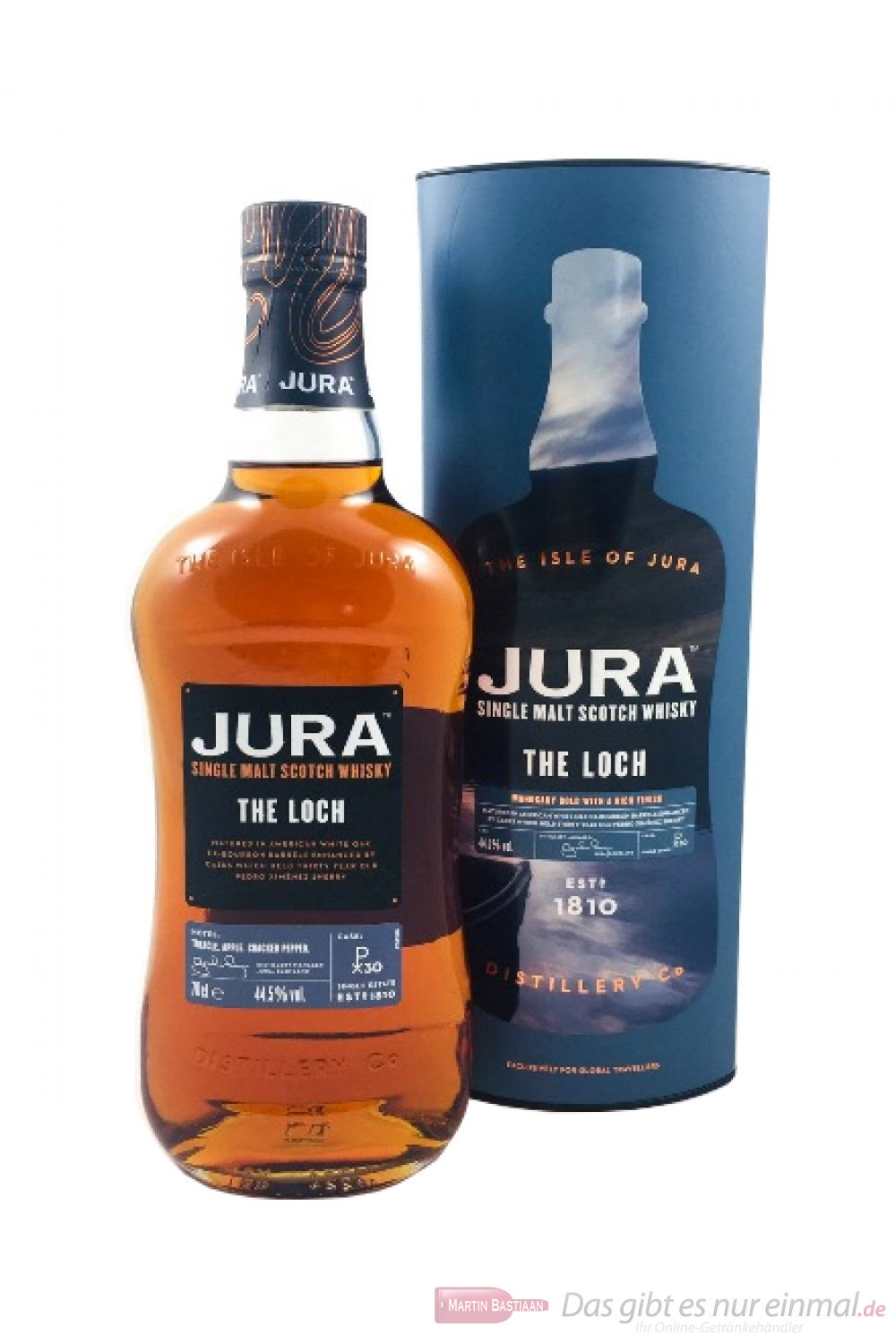
isle jura whisky loch scotch malt
Isle Of Jura Distillery Jura Seven Wood Scotch Single Malt Whisky 700mL
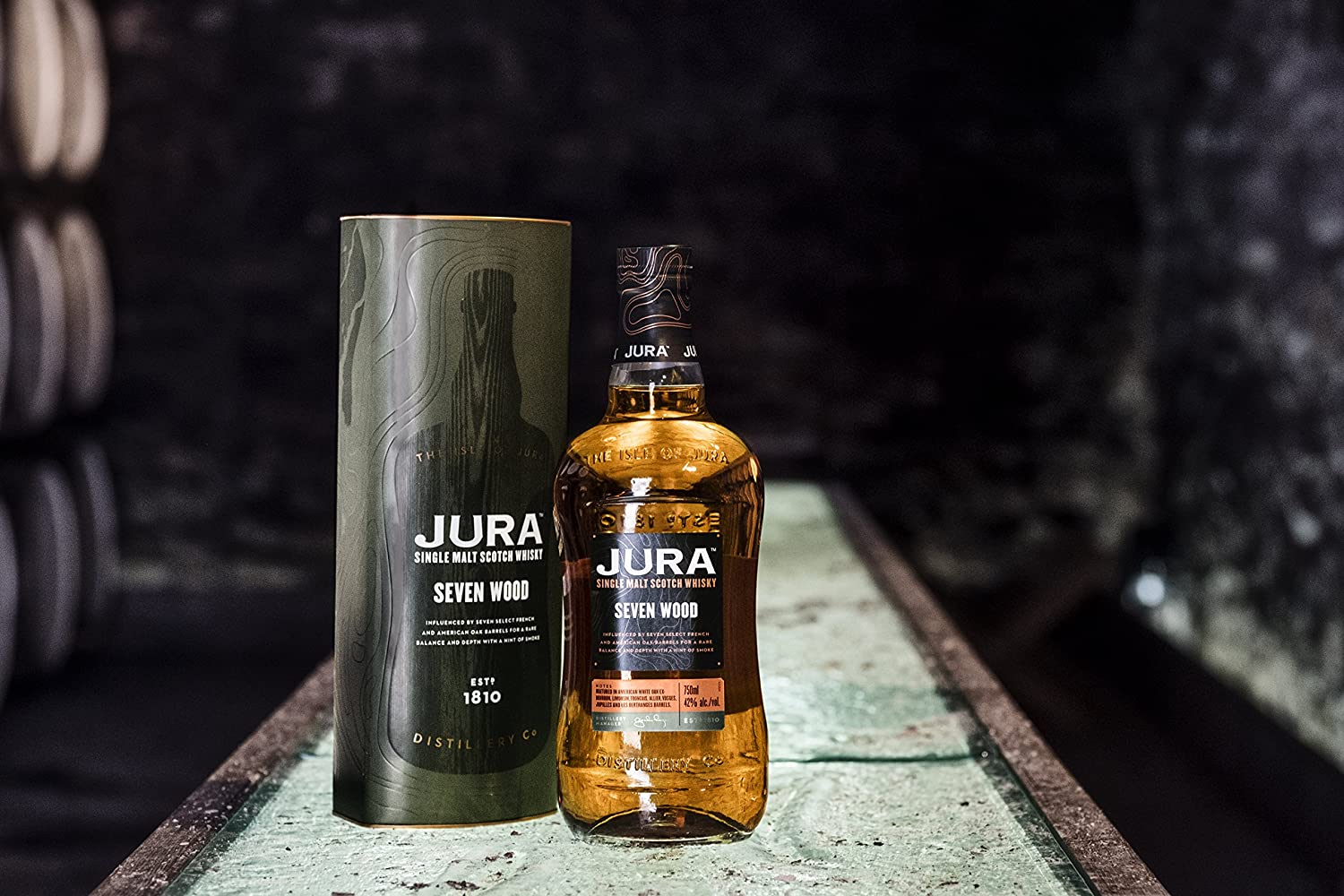
jura distillery isle whisky 700ml scotch malt seven single wood
Buy Isle Of Jura 16 Year Single Malt Whisky - Isle Of Jura | Whisky

jura isle year whisky main
Isle Of Jura Superstition Single Malt Whisky
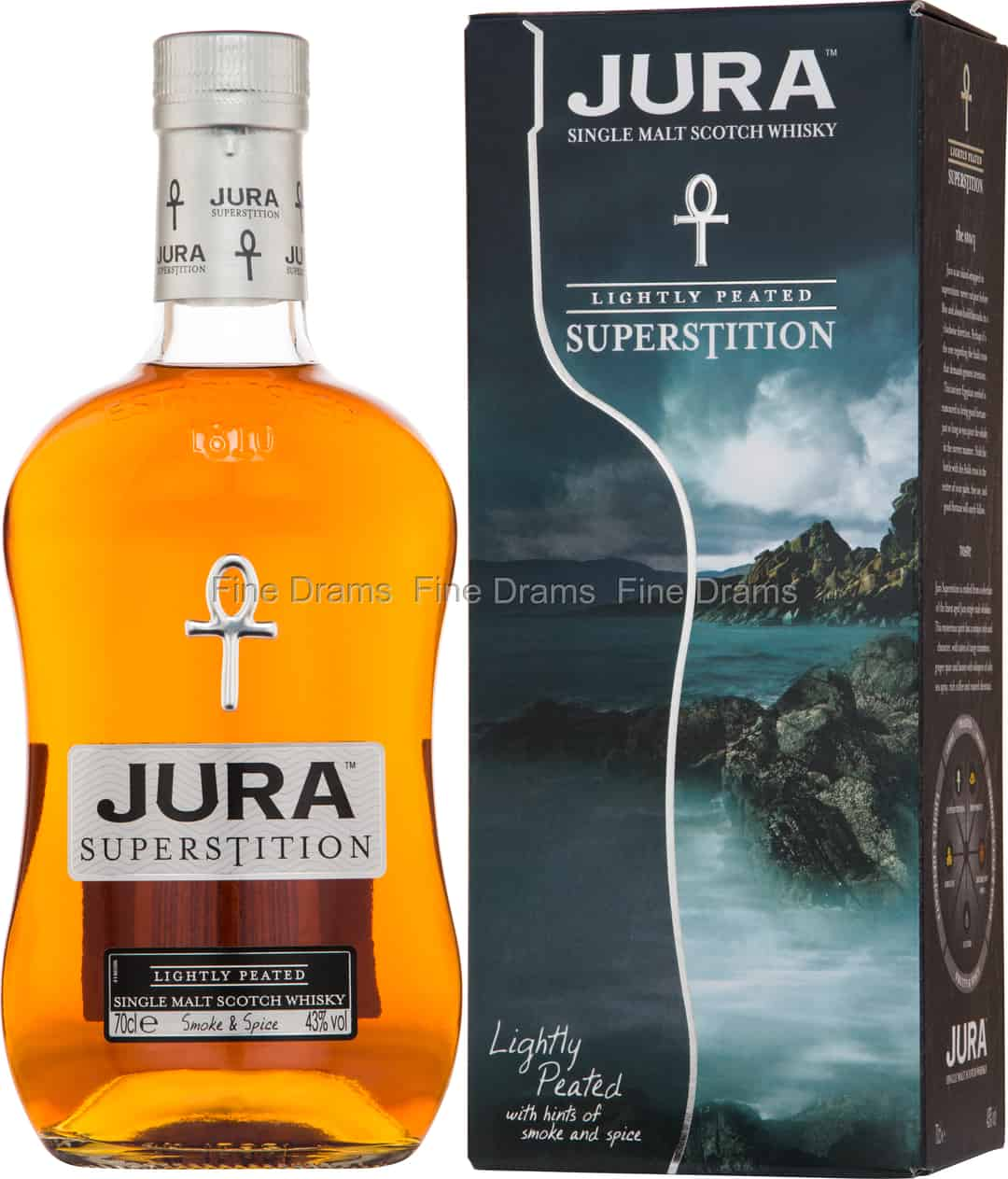
jura superstition isle whisky malt single cl
Isle Of Jura Superstition 1 Liter Scotch Single Malt Whisky
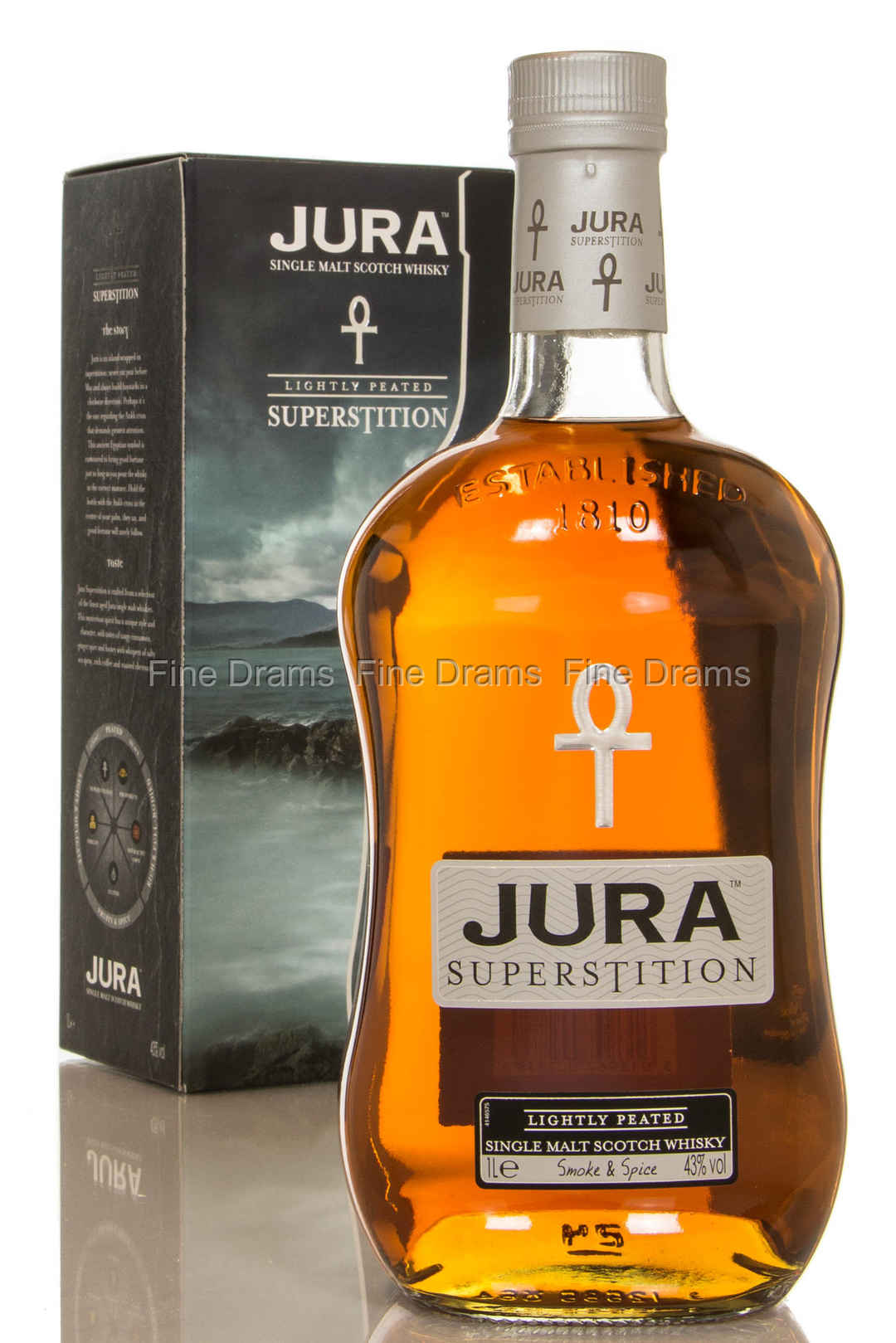
jura isle superstition whisky liter malt single cl scotch